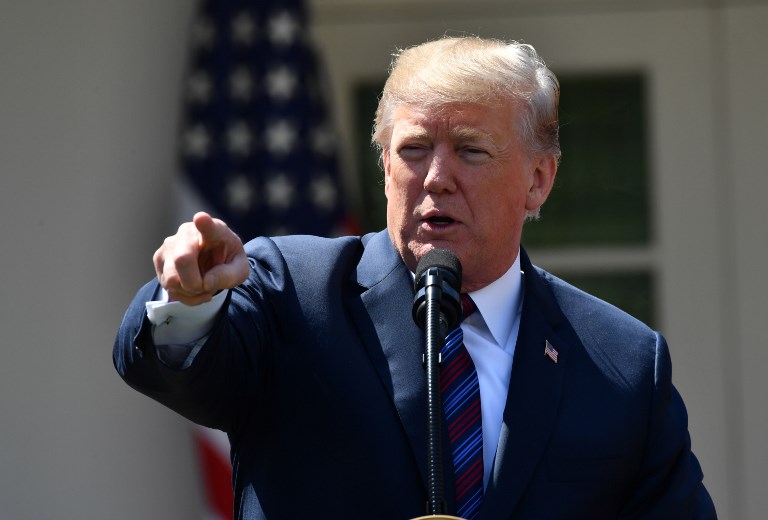
Trump Bans Travel From 12 Countries To Th USA -Malawi Escapes Inclusion
Published on June 5, 2025 at 10:47 AM by Evance Kapito
United States President Donald Trump has signed a sweeping travel ban affecting citizens from 12 countries, mostly in Africa and the Middle East, as part of a renewed immigration crackdown. The move revives a controversial policy from Trump’s first term and comes just months before the U.S. presidential elections.
The countries hit with a full ban include: Afghanistan, Myanmar, Chad, Republic of Congo, Equatorial Guinea, Eritrea, Haiti, Iran, Libya, Somalia, Sudan, and Yemen. Citizens from these countries will be barred from entering the U.S. starting Monday.
Additional restrictions though not complete bans were imposed on Burundi, Cuba, Laos, Sierra Leone, Togo, Turkmenistan, and Venezuela, whose citizens are now ineligible for permanent residence, tourist, or student visas.
Trump cited security concerns following a recent terror attack in Colorado allegedly carried out by a foreign national:
“The recent terror attack in Boulder has underscored the dangers posed by the entry of foreign nationals who are not properly vetted… We don’t want them,” said Trump in a video address.
However, Malawi, which had been under a 60-day review for possible inclusion in the ban, has been spared following what authorities are calling a diplomatic success.
Minister of Homeland Security Ezekiel Ching’oma confirmed that Malawi had been warned earlier this year to improve its border control systems, identity verification processes, and cooperation on immigration matters.
“We are pleased to announce that Malawi is not on the list. This outcome is a direct result of our government’s swift action and effective diplomacy to address U.S. concerns,” said Ching’oma.
“We will continue to enhance our internal systems to ensure compliance with international standards.”
Rights organizations and immigration advocates have slammed the travel ban as discriminatory and politically motivated. They warn it could further damage diplomatic ties and unfairly target ordinary citizens rather than genuine threats.
Meanwhile, Malawi’s exemption has been widely welcomed at home and among the diaspora, with many viewing it as a sign of improved governance and global engagement.
The Trump administration has insisted the move is about national security, not discrimination, though critics argue it reflects broader attempts to limit immigration and control foreign influence ahead of the U.S. vote.
The New York Times & Times360Malawi