K1 Million Studio Fees Spark Outrage Among Malawian Artists
Published on February 1, 2026 at 11:51 AM by Evance Kapito
Malawian artists have reacted angrily to the decision by music producers to raise studio recording fees, with many calling the move unrealistic, exploitative, and out of touch with the realities of the music industry.
In a statement dated 30 January 2026, the Producers and Audio Engineering Association of Malawi (PAEAM), through its president Percy Manyozo, announced new pricing guidelines effective 1 February 2026, setting the recommended cost of a standard studio session at K1,000,000.
The association cited high living costs and an inflation rate of about 26 percent.
However, the annouqncement has ignited a firestorm on social media, with artists questioning whether most producers in Malawi truly offer services worth such a price.
Vernacular rapper Evans Muzik openly challenged the decision, accusing many producers of recycling free plug-ins, using the same presets on different artists, and delivering music that sounds identical across the industry.
“You record a full song, and within minutes the vocals sound ‘mixed’ because the producer has simply applied an old preset. That’s not creativity,” he wrote.
Evans further argued that only a handful of producers in Malawi genuinely customize sound for artists, naming DJ Sley as one of the few exceptions. He described the overall quality, customer care, and creativity of many studios as “very poor,” adding that K1 million is not pocket money in Malawi.
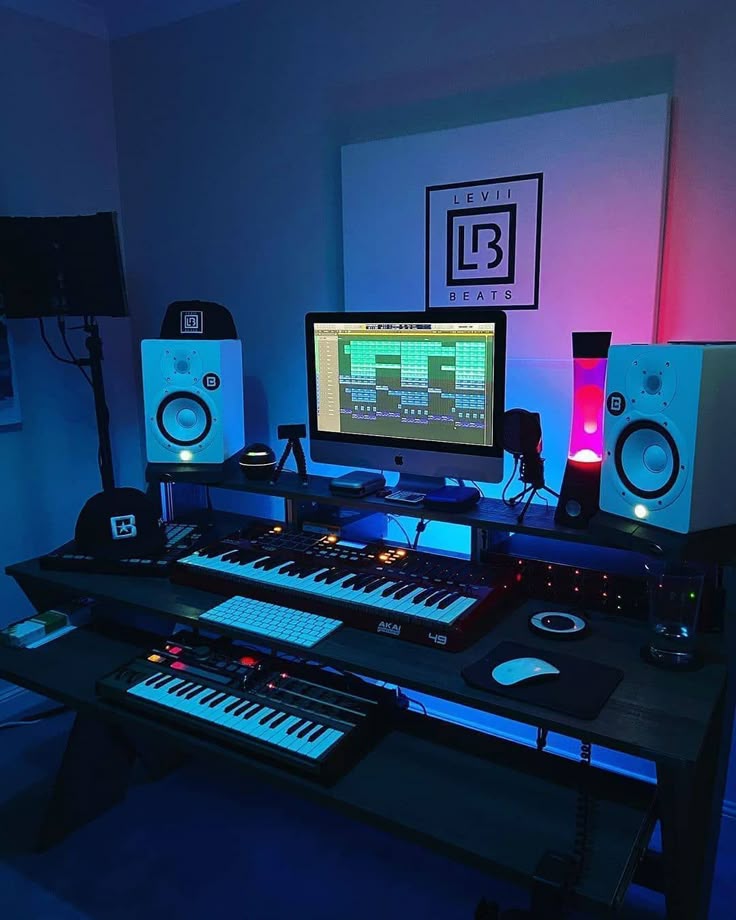
The rapper also questioned the legitimacy of many studios, claiming that some operate from bedrooms in their parents’ houses, do not pay taxes, lack business licenses, and rely on outdated or minimal equipment.
Female artist Kim of Diamonds echoed the criticism, repeating concerns about poor production standards and warning that artists are being asked to pay premium prices for “average or recycled work.”
As the debate grows, some musicians are now urging fellow artists to buy their own recording equipment, arguing that it may be cheaper in the long run than paying what they describe as “overpriced studio sessions.”
The controversy has reopened a long-standing debate about quality, accountability, and value for money in Malawi’s music production industry.